Blog / Field notes
7 Signs You Need New Attic Insulation (and What to Do About It)
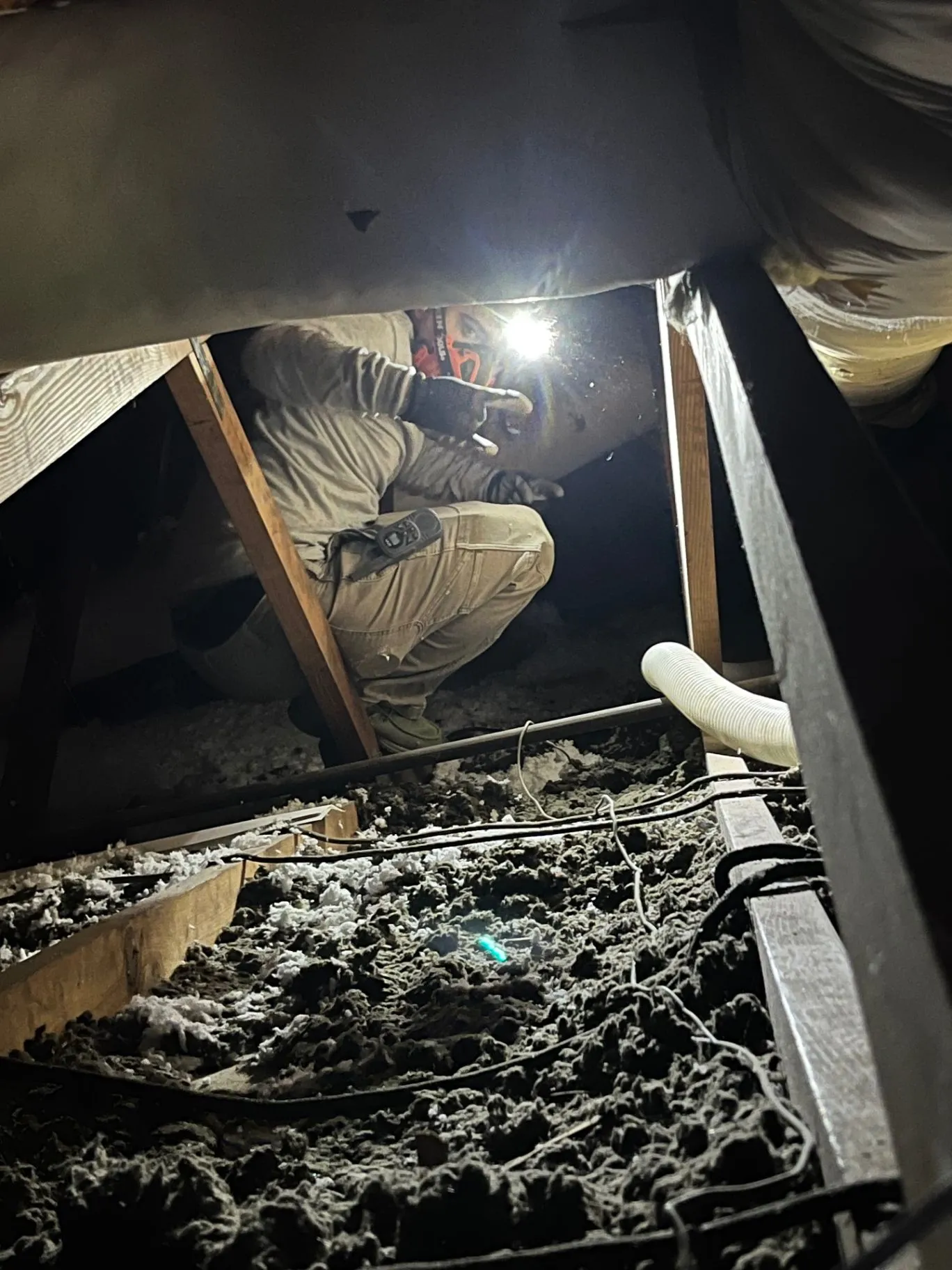
Attic insulation does more than sit above your ceiling. It helps your home hold onto conditioned air, keeps outdoor heat from moving inside, and gives your HVAC system a fair chance to keep rooms comfortable.
When insulation is too thin, damaged, uneven, or simply past its useful life, your home usually gives you clues. Some are easy to notice in a single afternoon. Others show up slowly in your utility bills and in the rooms your HVAC system can never quite balance.
Here are seven signs you may need new attic insulation—and what to do next in a Shreveport-area home.
1. Your energy bills keep climbing
A rising utility bill is not always an insulation problem, but it is a good reason to look at the attic. When heat moves through an under-insulated ceiling, your heating and cooling equipment has to run longer to maintain the thermostat setting.
Compare bills across similar months and pay attention to whether the increase comes with longer HVAC run times. If your habits and rates have stayed about the same, thin or settled insulation may be allowing more energy to escape than it should.
2. Some rooms are much hotter or colder than others
Uneven temperatures are especially common in rooms directly beneath the attic, at the end of duct runs, or on the side of the home that receives the most afternoon sun. Insulation gaps and thin spots can make one room feel noticeably different from the next.
Before turning the thermostat up or down again, have the attic checked for inconsistent coverage, air leaks, and ductwork issues. Adding insulation without addressing a major leak can leave the comfort problem only partly solved.
3. Your HVAC system runs almost constantly
Your HVAC system should cycle as it brings the home to temperature. If it seems to run for long stretches without catching up—particularly during a hot Shreveport summer—the attic may be adding more heat than the system can comfortably manage.
New insulation can reduce heat flow through the ceiling, but a useful assessment also checks for open penetrations, recessed lights, ductwork, and other places where conditioned air can escape.
4. You can see bare spots, gaps, or compressed insulation
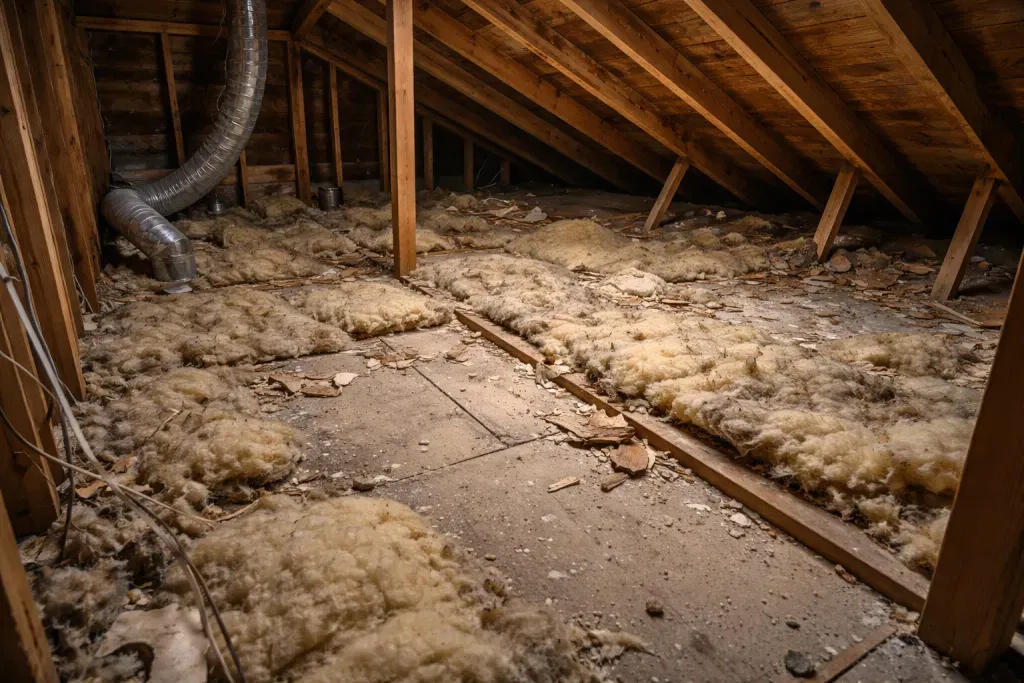
Insulation should form a reasonably consistent layer across the attic floor. Bare sections, visible ceiling joists, flattened areas, and material pushed away from the edges all reduce the protection your ceiling receives.
Take a look from the attic access point without walking across the insulation. If coverage is visibly uneven, do not assume a new layer should simply be blown over it. The right approach depends on the condition of the existing material and what caused the gaps.
5. The insulation is old, dirty, wet, or damaged
Insulation that has been affected by a roof leak, moisture, pests, or construction debris may no longer perform as intended. Wet or contaminated material can also create an attic condition that should be resolved before new insulation is installed.
In these cases, adding new material on top may hide the problem rather than fix it. A professional can determine whether the existing insulation is suitable for a top-up or whether removal and cleanup are the safer starting point.
6. Drafts or dusty streaks show up around ceiling penetrations
Insulation and air sealing do different jobs. Insulation slows heat transfer; air sealing closes the small openings around plumbing, wiring, ductwork, and other penetrations where air can move between your home and attic.
Drafts, dust marks, and dark streaks near ceiling fixtures can point to air movement. If those leaks are left open, new insulation cannot deliver its full benefit. Ask for the attic to be checked and sealed as part of the plan.
7. Your home feels harder to keep comfortable every year
Older insulation can settle, shift, or lose coverage over time. Your home may not have one dramatic problem; it may simply take more heating and cooling to feel the way it used to.
That gradual change is still worth investigating. A clear attic assessment can show whether the best fix is additional blown-in insulation, air sealing, insulation removal, or a combination of services.
What to do if you see these signs
Start with an inspection instead of guessing at the material or the number of bags your attic needs. The condition of the existing insulation, attic access, square footage, moisture history, and target R-value all affect the recommendation.
For many existing homes, a practical upgrade includes:
- Checking the attic floor and existing insulation depth
- Looking for roof leaks, moisture, pests, and damaged areas
- Air sealing gaps around penetrations and fixtures
- Removing old insulation when it is wet, contaminated, or no longer usable
- Adding even blown-in fiberglass or cellulose coverage to the appropriate depth
- Protecting access points, vents, and equipment so the finished work performs properly
See D&M Insulation’s attic insulation and air sealing services for the ways we can address an underperforming attic, then browse the insulation work gallery to see examples of clean, even coverage.
How to know whether you need new insulation or more insulation
Not every attic needs a complete removal. Clean, dry insulation that is still in good condition may be able to stay in place while a new layer is added. A full removal may make more sense when the material is wet, contaminated, badly damaged, or hiding a problem that needs to be corrected first.
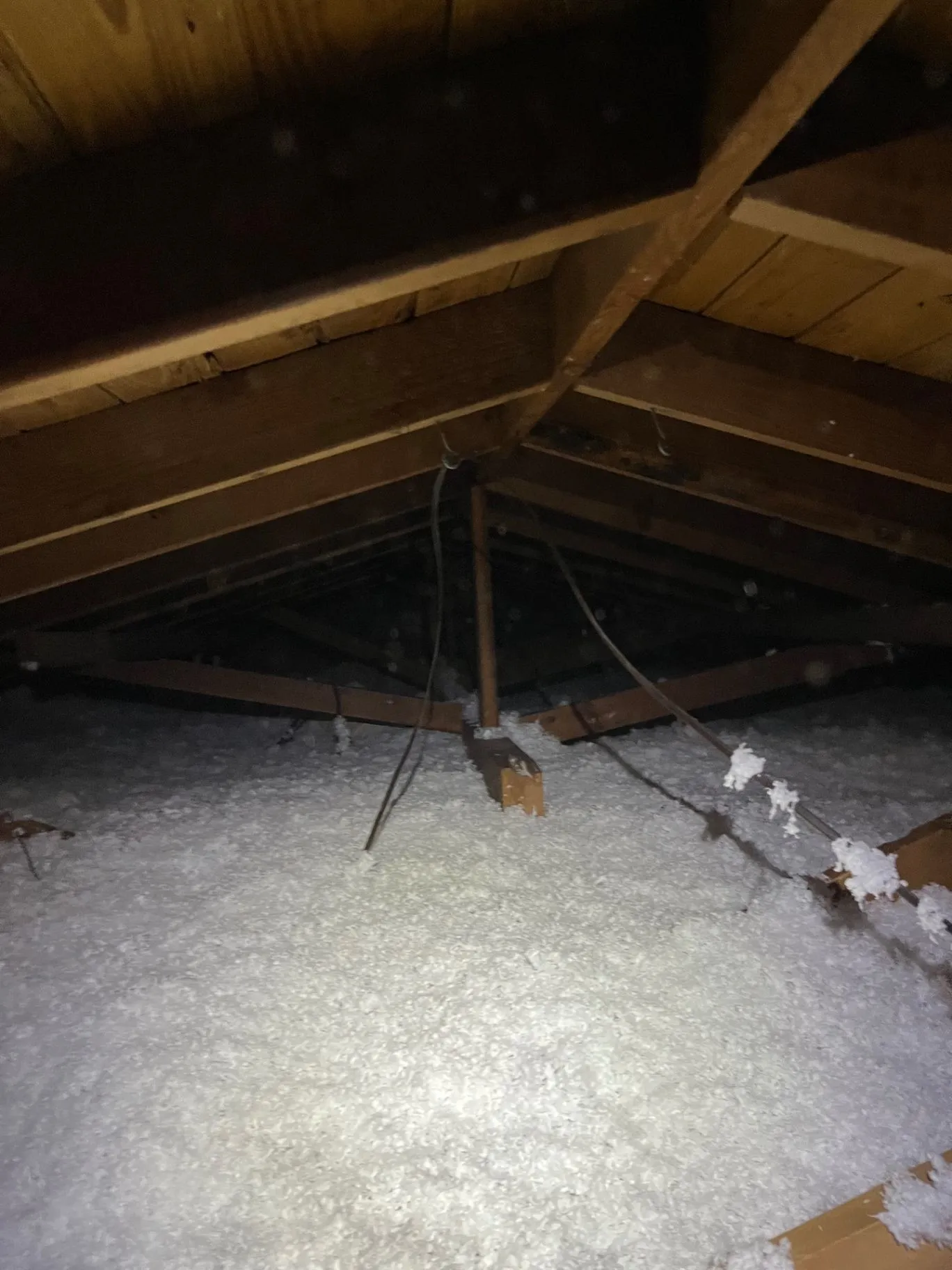
The goal is not to add material blindly. It is to create consistent coverage after the attic has been checked and the air leaks and underlying issues have been addressed.
Get a clear next step for your attic
If you are seeing hot rooms, rising energy bills, drafts, or uneven attic coverage, a free inspection can tell you what is actually happening above the ceiling. D&M Insulation serves Shreveport, Bossier City, Haughton, Benton, East Texas, and surrounding areas with practical recommendations and clean installation work.
Request a free attic inspection and get a clear recommendation for your home before you commit to an upgrade.